

As an equestrian parka supplier, I often get asked whether it's suitable to wear an equestrian parka in snowy conditions. In this blog, I'll delve into the features of equestrian parkas and analyze their performance in snow, providing you with a comprehensive understanding to help you make an informed decision.
Understanding Equestrian Parkas
Equestrian parkas are designed with the specific needs of riders in mind. They are crafted to offer both functionality and style. These parkas typically feature a durable outer layer that can withstand various elements, including wind and light rain. The inner lining is often made of insulating materials to keep the wearer warm in cold weather.
One of the key features of equestrian parkas is their mobility. Riders need to have a full range of motion while on horseback, so these parkas are designed with ergonomic cuts and flexible fabrics. This allows riders to move freely without feeling restricted.
Suitability for Snowy Conditions
When it comes to snowy conditions, equestrian parkas can be a great choice, but several factors need to be considered.

Insulation
The insulation of an equestrian parka is crucial in snowy weather. High - quality parkas are usually filled with materials like down or synthetic insulation. Down is known for its excellent warmth - to - weight ratio. It can trap a large amount of air, creating a layer of insulation that keeps the body warm. Synthetic insulation, on the other hand, is more water - resistant and can still provide good insulation even when wet.
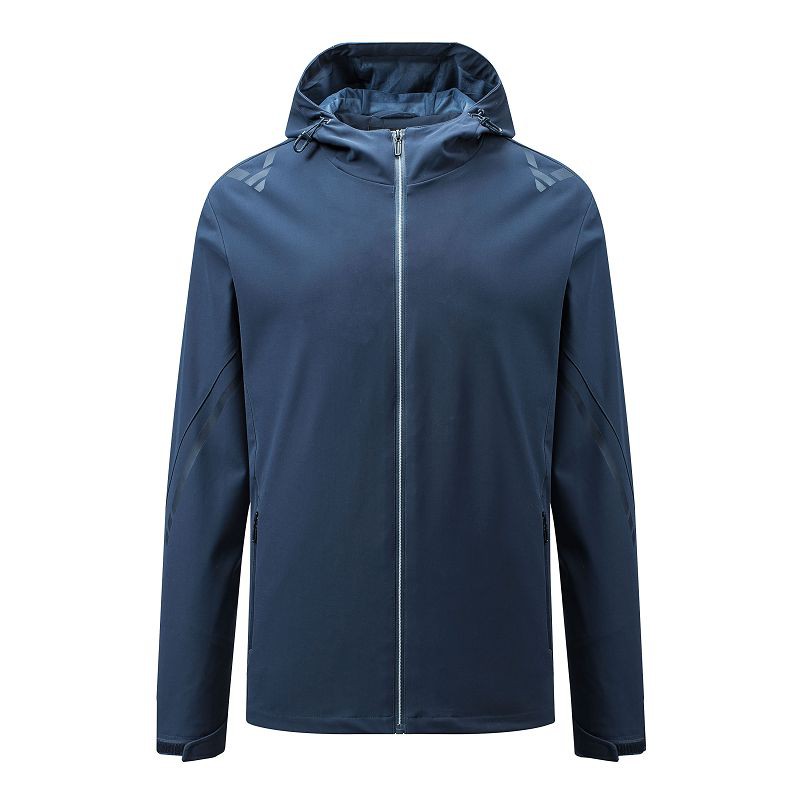
For example, if you're going to be out in the snow for an extended period, a parka with a thick layer of down or high - performance synthetic insulation will be able to keep you warm. Our Navy Quilted Riding Jacket is filled with premium insulation, making it a great option for snowy days.
Water Resistance
Snow is essentially frozen water, and when it melts, it can soak through your clothing. A good equestrian parka should have a water - resistant outer layer. Most parkas are treated with a durable water - repellent (DWR) finish, which causes water to bead up and roll off the surface. This helps to keep you dry and prevents the insulation from getting wet.
However, in heavy snowfall or if you're in contact with wet snow for a long time, the DWR finish may wear off. In such cases, a parka with a waterproof membrane, like Gore - Tex, can provide better protection. Our Horse Riding Jackets for Men are designed with water - resistant and waterproof features to ensure you stay dry in snowy conditions.
Mobility
Even in the snow, riders need to maintain their mobility. Equestrian parkas are designed with this in mind. They have adjustable cuffs, waistbands, and hoods to ensure a snug fit without restricting movement. The cut of the parka allows for easy movement of the arms and torso, which is essential when riding a horse. Whether you're galloping through the snow - covered fields or performing dressage maneuvers, the parka should not impede your movements.
Additional Considerations
Apart from the basic features, there are other factors to consider when wearing an equestrian parka in the snow.
Breathability
While keeping warm and dry is important, breathability is also crucial. When you're active on horseback, you'll generate heat and sweat. If the parka is not breathable, the sweat will accumulate inside, making you feel uncomfortable and potentially leading to hypothermia. Look for parkas with breathable fabrics or ventilation zippers to allow moisture to escape.
Visibility
In snowy conditions, visibility can be poor. It's important to choose a parka with high - visibility elements, such as reflective strips or bright colors. This will not only make you more visible to other riders and motorists but also enhance your safety.
Customization Options
If you have specific requirements for your equestrian parka in snowy conditions, we offer Custom Horse Jackets. You can choose the type of insulation, the outer fabric, and add custom features like extra pockets or personalized embroidery. This allows you to create a parka that meets your exact needs and preferences.
Conclusion
In conclusion, equestrian parkas can be worn in snowy conditions, provided they have the right features. Insulation, water resistance, mobility, breathability, and visibility are all important factors to consider. Our range of equestrian parkas is designed to meet these requirements, ensuring that you stay warm, dry, and comfortable while riding in the snow.
If you're interested in purchasing equestrian parkas for snowy conditions or have any questions about our products, we welcome you to contact us for a procurement discussion. We'll be happy to assist you in finding the perfect parka for your needs.
References
- "Equestrian Apparel: Design and Function" by Horse & Rider Magazine
- "Cold Weather Gear for Riders" by The Equestrian Journal