
Introduction
Riding breeches are a necessary part of an equestrian''s wardrobe. They are designed to provide comfort and ensure proper movement while horseback riding. Choosing the right pair of riding breeches can be a daunting task, particularly for those new to the sport. In this article, we will discuss the factors to consider when choosing a riding breech, including material, fit, style, and additional features.
Material
The material of a riding breech is an important factor to consider when choosing the right pair. Riding breeches can be made from a variety of materials, including cotton, nylon, and spandex. Each material offers different benefits depending on the rider''s needs.
Cotton riding breeches are a popular choice for many riders, as they are comfortable and breathable. They are also easy to care for, as they can be machine washed. However, cotton riding breeches can become heavy and uncomfortable when wet, making them a less ideal option for riding in wet conditions.
Nylon riding breeches are lightweight and moisture-wicking, making them a good choice for riders who will be riding in hot or humid conditions. They are also durable and can withstand wear and tear from frequent riding. However, nylon riding breeches tend to be less breathable than cotton, which can make them uncomfortable to wear during extended periods of physical activity.
Spandex riding breeches are stretchy and form-fitting, making them ideal for riders who want a snug fit that allows for maximum mobility. They are also moisture-wicking and breathable, which helps regulate body temperature and keeps the rider comfortable during long rides. However, spandex riding breeches may not be as durable as cotton or nylon breeches, and they require careful washing to maintain their shape.
Fit
A rider''s comfort and ability to move freely while riding is greatly affected by the fit of their riding breeches. When choosing a pair of riding breeches, it is important to consider how they fit in the waist, hips, and legs.
The waistband of a riding breech should sit comfortably on the rider''s waist without being too tight or too loose. A waistband that is too tight can cause discomfort and restrict movement, while a waistband that is too loose can cause the breeches to slip down during riding.
The hips and thighs of a riding breech should fit snugly without being too tight. A riding breech that is too tight can cause discomfort and restrict movement, while a breech that is too loose can bunch up and cause chafing.
The legs of a riding breech should be tailored to allow for maximum mobility. The length should be long enough to cover the entire leg but short enough to avoid bunching or sagging. Riders who prefer a tighter fit may want to consider breeches with a tapered leg, while those who prefer more freedom of movement may prefer a looser leg.
Style
Riding breeches come in a variety of styles, ranging from traditional to modern. The style of a riding breech is largely a matter of personal preference, but there are a few factors to consider when choosing a style.
Traditional riding breeches typically feature a high waist, a side zipper, and knee patches or full seat panels. They are often made from traditional materials like cotton or wool and are commonly seen in dressage or hunt seat riding disciplines. Traditional riding breeches offer a classic, refined look that is popular among many equestrians.
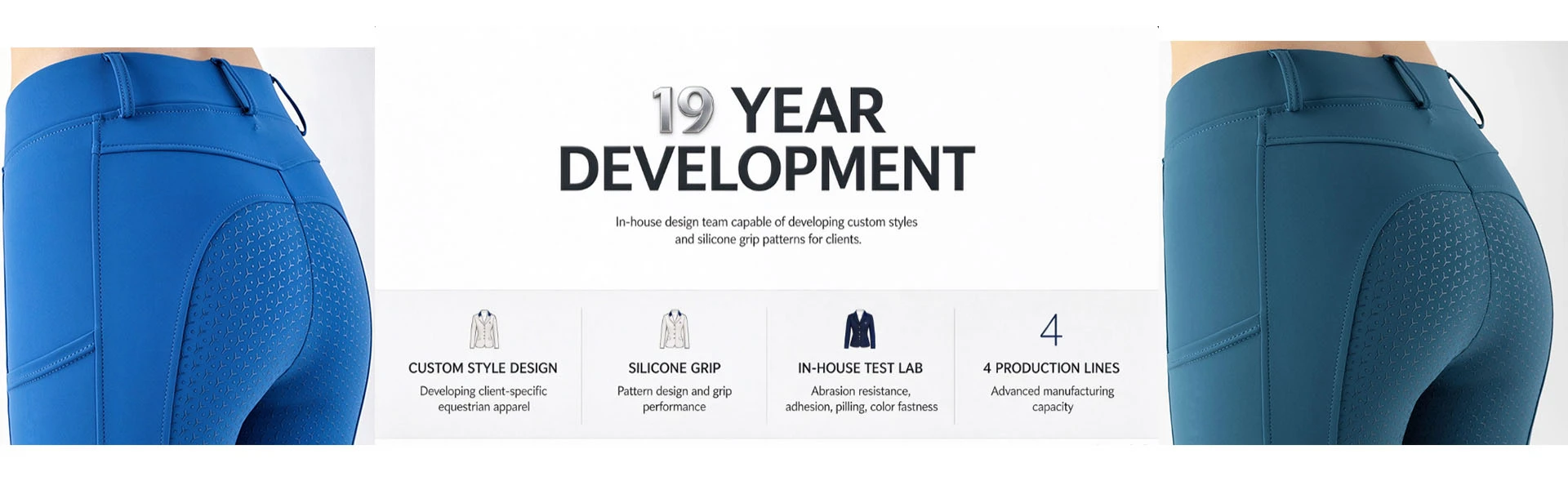
Modern riding breeches, on the other hand, offer a more contemporary look that is popular among riders in disciplines like show jumping and eventing. Modern breeches may feature low-rise waistbands, innovative materials like technical fabrics, and modern designs like silicone grip patches. They offer a more streamlined look that is both functional and fashionable.
Additional Features
When choosing a riding breech, there are a few additional features to consider that can enhance both comfort and performance.
Full seat panels are a common feature on riding breeches and are designed to provide extra grip and stability in the saddle. They can be made from a variety of materials, including suede, leather, and silicone. Riders who struggle with slipping or sliding in the saddle may benefit from a breech with a full seat panel.
Knee patches are another common feature on riding breeches, designed to provide grip and protection where the rider''s leg comes into contact with the horse. Knee patches can be made from a variety of materials, including suede, leather, or synthetic materials. Riders who prefer a more traditional look may opt for breeches with knee patches.
Ventilation is an important factor to consider, particularly for riders who will be riding in hot or humid conditions. Many riding breeches feature mesh panels or breathable fabrics that help regulate body temperature and keep the rider comfortable during rides.
Conclusion
When choosing a riding breech, there are several factors to consider, including material, fit, style, and additional features. A quality pair of riding breeches is an essential investment for any equestrian, as they provide comfort and ensure proper movement while horseback riding. By considering these factors and choosing the right pair of riding breeches, riders can ensure a comfortable and enjoyable riding experience.