
Breeches: A Timeline of Equestrian Elegance and Tailored Authority
⏳ Timeline Overview
|
Era |
Style Evolution |
Function / Cultural Significance |
Styling Suggestions |
|
14C–17C |
Knight's wide breeches with bindings |
Protected the rider's legs; symbol of nobility |
Capes + boots; suitable for theatrical/historical styling |
|
18C |
Tight knee-length breeches (English/French nobility) |
Standard for gentleman's attire; paired with stockings and boots |
Suitable for high fashion or costume reinterpretation |
|
19C |
Military breeches with side buttons and curved seams |
Functional and durable; emphasized wear resistance and mobility |
Modern military-inspired outfits (jacket + breeches) |
|
1920s–40s |
Rise of women's riding trousers |
Coco Chanel advocated for women's freedom in equestrian wear |
High-waisted cuts with vintage tailoring |
|
1980s–2000s |
Stretch fabrics introduced; technical breeches |
Professionalized for Olympic sports |
Reference for competition wear (white breeches + black boots) |
|
2010s–Now |
Gender-blurred and deconstructed fashion |
Breeches reimagined by Dior, McQueen, and more |
Breeches + oversized shirts/jackets for urban styling |
🏇 I. Origins: From Utility Wear to Noble Symbol
The prototype of breeches dates back to medieval knightly culture, designed primarily to protect the thighs and knees during riding. Made from leather with bindings or metal fastenings, they balanced function and defense. During the Renaissance, breeches became a staple of upper-class European menswear, often adorned with lace and cuffed at the knees.
🎖️ II. The Rise of Function: Golden Age of Military Tailoring
In the 18th–19th centuries, as cavalry units expanded across Europe, breeches reached their peak in military utility. The curved-seam design (forward curve cut) allowed long hours in the saddle, while tapered ankles slid easily into tall boots. British gentleman culture brought breeches into hunting and equestrian codes, blending functionality with refined elegance.
Style inspiration: breeches tucked into boots, high-waisted wool jackets, leather-mix fabrics
👩🌾 III. The Female Rider: Clothing as Liberation
In the early 20th century, women increasingly entered the equestrian scene. Designers like Coco Chanel challenged the impracticality of riding in skirts by introducing tailored riding pants for women. High-waisted, hip-hugging breeches symbolized bodily freedom and self-ownership, redefining silhouettes.
Style keywords: high-waist cuts, rolled hems, paired with waistcoats or tailored shirts
🏆 IV. Technical Innovation: Standardizing Competition Breeches
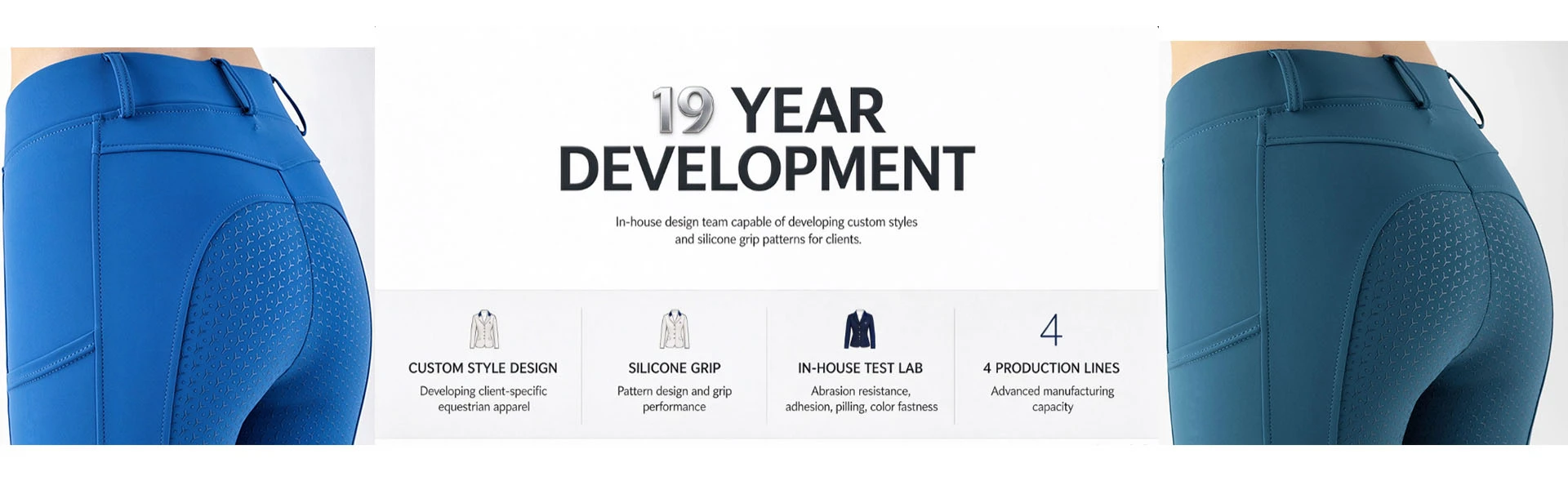
As equestrian events joined the Olympics, breeches evolved into high-performance gear. Stretch fabrics like spandex, silicone seat grips, and seamless construction became standard, offering optimal fit, abrasion resistance, and flexibility. In Dressage and Eventing, white breeches and dark jackets became iconic combinations.
Styling reference: white technical breeches + black tailcoat + tall riding boots
🌀 V. Deconstruction & Fashion Hybrids: 21st Century Reinterpretations
In the 21st century, breeches moved from equestrian fields to fashion runways. Dior linked them with feminine power, McQueen amplified their theatrical structure, and brands like Burberry and Vetements reimagined them as urban uniforms.
Today, breeches symbolize structural clarity and control over one's body, emphasizing silhouette, proportion, and fluid gender expression.
Styling tips:
Urban edge: breeches + oversized blazer + loafers/ankle boots
Elegant tone: high-waisted breeches + silk blouse + statement belt
Street fusion: sport-style breeches + monochrome top + utility accessories
🎯 Conclusion: Structure Is an Attitude
Breeches are more than trousers - they are a narrative of self-possession. From noble armor to streetwear, from gendered code to performance tech, they continue to write a visual story of body, power, and freedom through structure.
As fashion history reminds us: Freedom isn't looseness, but the clarity of well-structured control.