
What do horse riders wear in winter?
Horse riding is a popular activity that many people enjoy throughout the year. However, when winter comes and temperatures drop, horse riders need to dress appropriately to keep warm and comfortable during their rides. In this article, we will explore the essential winter clothing and accessories that horse riders wear to protect themselves from the cold weather and ensure a safe and enjoyable experience.
Winter Riding Apparel
When it comes to winter riding apparel, the key is to layer your clothing effectively, providing insulation and allowing you to adjust your outfit according to the changing weather conditions. Let''s delve into the essential pieces of clothing horse riders wear in winter:
1. Base Layers: Starting with the base layer, riders often opt for thermal tops and bottoms made from moisture-wicking materials. These base layers help regulate body temperature, keep the skin dry, and provide a comfortable foundation for additional layers.
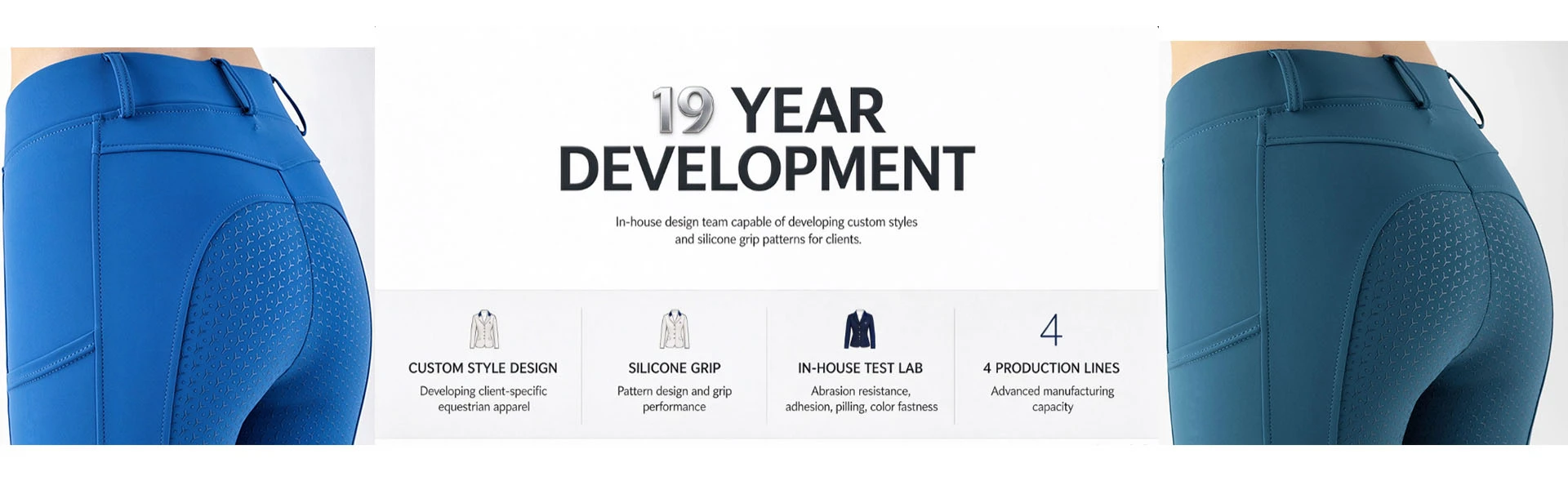
2. Insulated Breeches: Insulated breeches or winter riding pants are designed to keep the legs warm while providing flexibility and grip in the saddle. They are typically lined with fleece or have additional insulation, ensuring the rider''s lower body stays protected from the cold.
3. Riding Jacket: A good-quality riding jacket is a must-have for winter riding. Look for jackets that are both waterproof and wind-resistant, as they will provide protection against rain, snow, and chilly winds. Insulated jackets with adjustable hoods and cuffs are ideal to customize the level of warmth.
4. Vests: Vests are versatile layering options that provide additional warmth without restricting the rider''s movement. They can be worn over a base layer or under a jacket, depending on the temperature. Look for vests with comfortable insulation and a snug fit to prevent heat loss.
5. Warm Socks: It''s crucial to keep your feet warm and dry during winter riding. Thick, moisture-wicking socks made from materials such as wool or synthetic blends are recommended. You can also wear boot liners or heated insoles for extra warmth.
6. Gloves: Riding gloves designed for winter conditions are essential to protect your hands from cold temperatures and wind chill. Opt for gloves made from insulated and waterproof materials while still allowing for a good grip on the reins.
7. Headgear: Wearing a warm hat or headband is essential to prevent heat loss through the head. Many riders prefer equestrian-specific headgear that accommodates riding helmets while keeping the ears and forehead warm. Fleece-lined caps or ear warmers are popular choices.
Accessories for Added Warmth
To combat extreme winter conditions, horse riders often rely on additional accessories to keep warm throughout their rides. Here are some commonly used accessories for added warmth:
1. Neck Gaiter or Scarf: A neck gaiter or scarf made from a warm and breathable material can provide extra insulation for the neck and face. It helps protect against cold winds and keeps the rider''s upper body warm.
2. Ear Warmers or Earmuffs: Equestrian-specific ear warmers or earmuffs are designed to fit comfortably under a riding helmet while providing warmth and protecting the ears from the cold.
3. Hand Warmers: Hand warmers are small packets that generate heat when exposed to air. They can be easily inserted into gloves or pockets, providing warmth to the rider''s hands during long rides in chilly weather.
4. Toe Warmers: Similar to hand warmers, toe warmers are designed to fit inside boots or shoe insoles to keep the feet warm on particularly cold days.
5. Thermal Mask: For riders facing severe wind chill or freezing temperatures, a thermal mask or balaclava can provide full-face protection, keeping the rider''s face and nose shielded from extreme cold.
Choosing the Right Riding Boots
While clothing and accessory layers are essential for winter horse riding, selecting the right boots is equally important. Here are some factors to consider when choosing winter riding boots:
1. Insulation: Look for boots with insulated linings to keep your feet warm. Thinsulate or synthetic insulation materials are commonly used in winter riding boots.
2. Waterproofing: Water-resistant or fully waterproof boots are essential to keep your feet dry in wet or snowy conditions.
3. Tread: Opt for boots with a robust tread pattern to provide traction and prevent slipping on icy or muddy terrain. A good grip is crucial for maintaining balance and control while riding.
4. Fit: Ensure that your winter riding boots provide a comfortable fit, allowing enough room for thick socks without being too tight. A snug fit will prevent heat loss and ensure adequate circulation.
5. Safety: Choose riding boots with appropriate safety features, such as reinforced toe caps and heel guards, to protect your feet from potential accidents or injuries.
Conclusion
Horse riders need to dress appropriately during the winter season to stay warm, comfortable, and safe. Layering clothing, including thermal base layers, insulated breeches, waterproof jackets, and warm accessories, is essential. Additionally, choosing winter riding boots with insulation, waterproofing, proper tread, and safety features is crucial. By investing in the right attire and equipment, horse riders can continue enjoying their passion even in the coldest winter months. Stay warm, ride on!